
Epic workflow and implementation services
I work with healthcare technology teams on defined Epic implementation problems. Engagements can begin with a focused planning review and expand into documentation, analyst collaboration, or testing support as the scope becomes clear.
Epic Implementation Planning Review
A focused starting point for one product, one workflow, and one Epic customer or defined planning scenario. Clarify the intended use, entry points, context, customer constraints, configuration questions, and responsible teams before deciding the next step.
You receive a written assessment, a workflow diagram, key dependencies, validation questions, and proposed next steps. The review includes a discovery session, a findings discussion, and one clarification revision.
The review typically takes approximately one to two weeks after the agreed start date, subject to scope, access to the relevant information, and participant availability. Timing and fees are agreed before work begins.
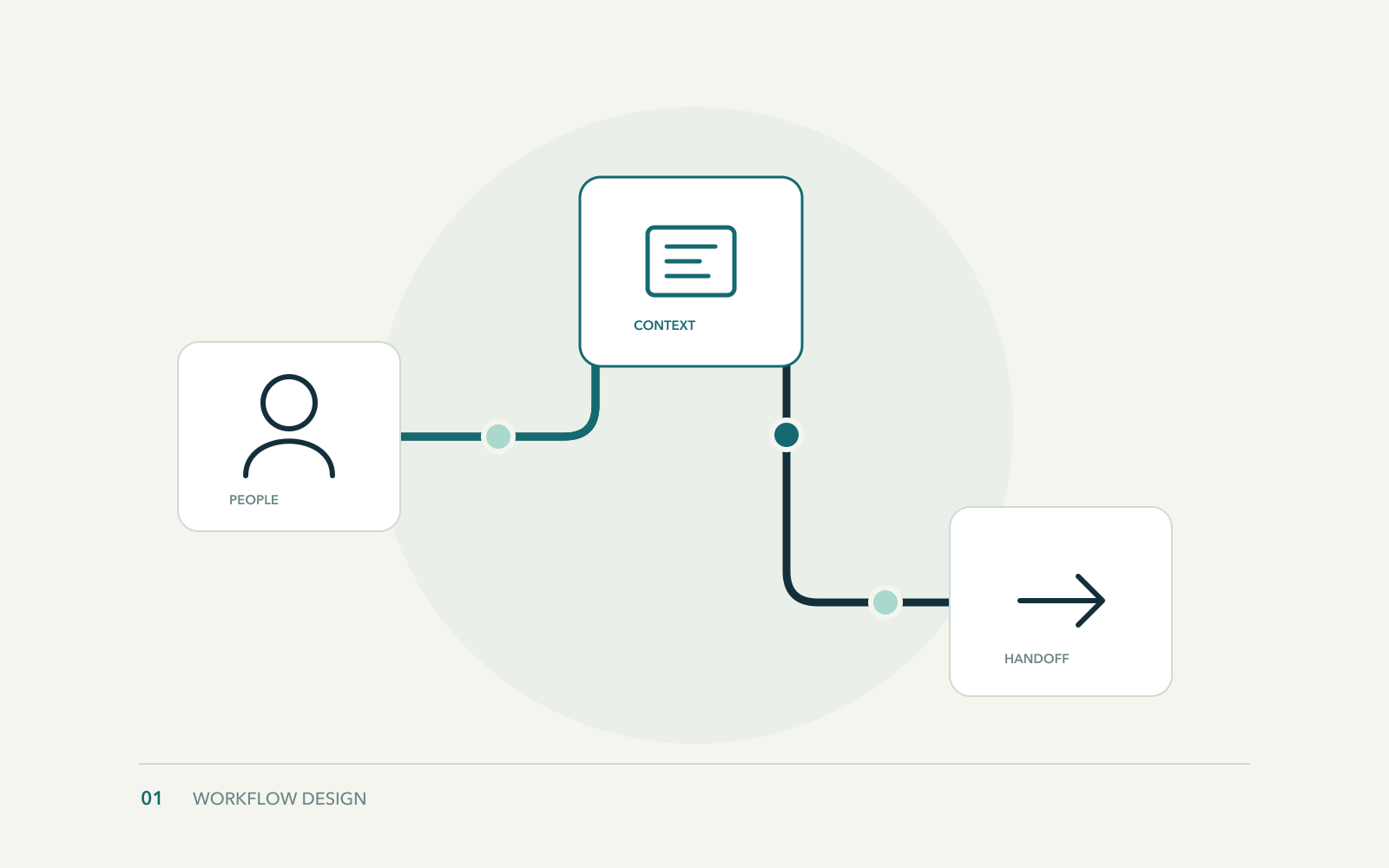
Workflow and implementation design
Define entry points, patient and encounter context, user roles, notifications, and handoffs. Connect the intended user experience to the configuration decisions and customer discussions needed to implement it.
Typical deliverables: a workflow diagram, design recommendations, configuration requirements, a responsibility map, and questions to resolve with the customer.
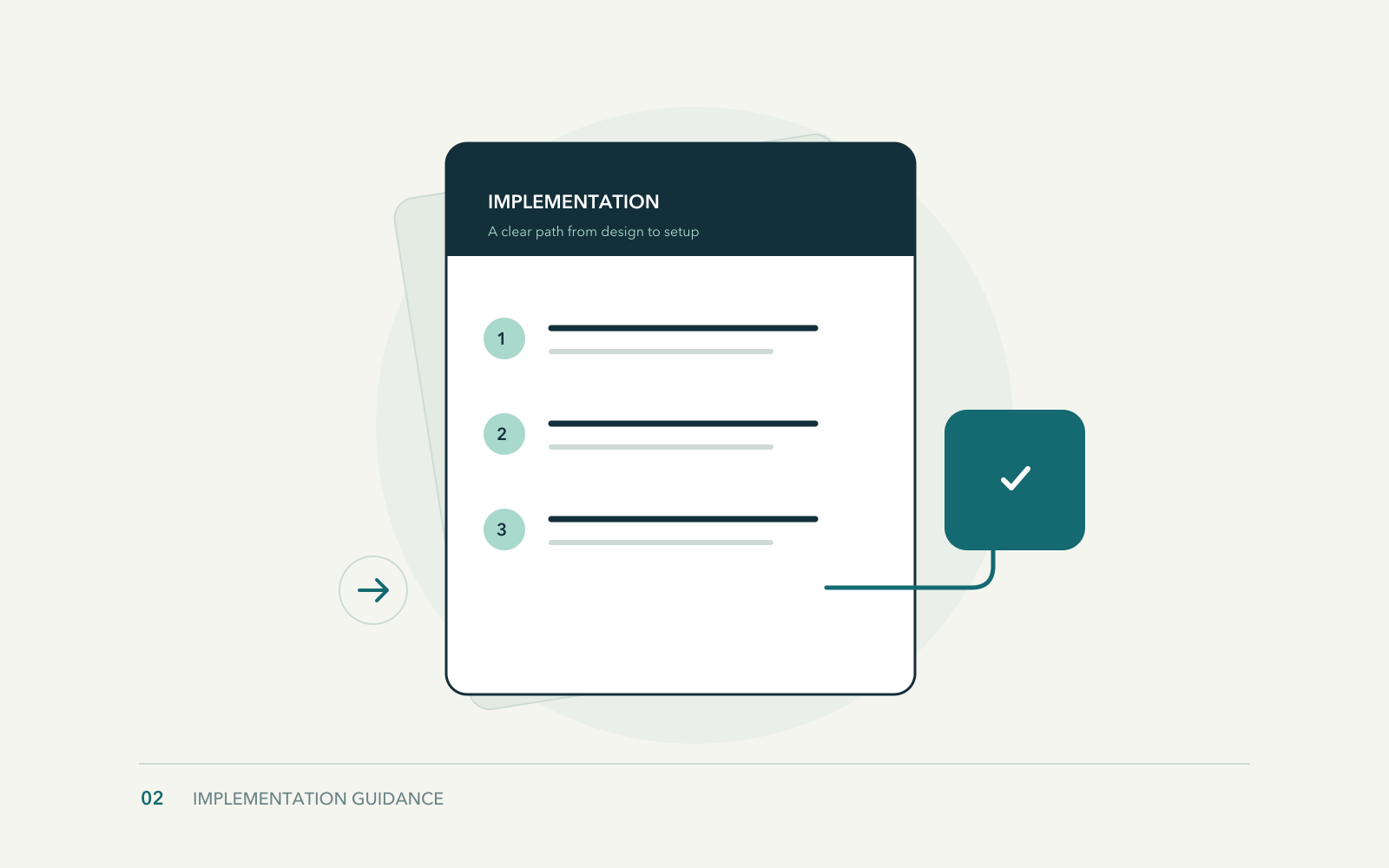
Implementation documentation and analyst collaboration
Develop or revise implementation guides, clarify prerequisites, and work through setup questions with product teams and Epic analysts. Working sessions help identify unclear instructions and document customer-specific decisions.
Typical deliverables: an implementation guide, a build checklist, analyst working sessions, documented decisions, and a clear handoff.
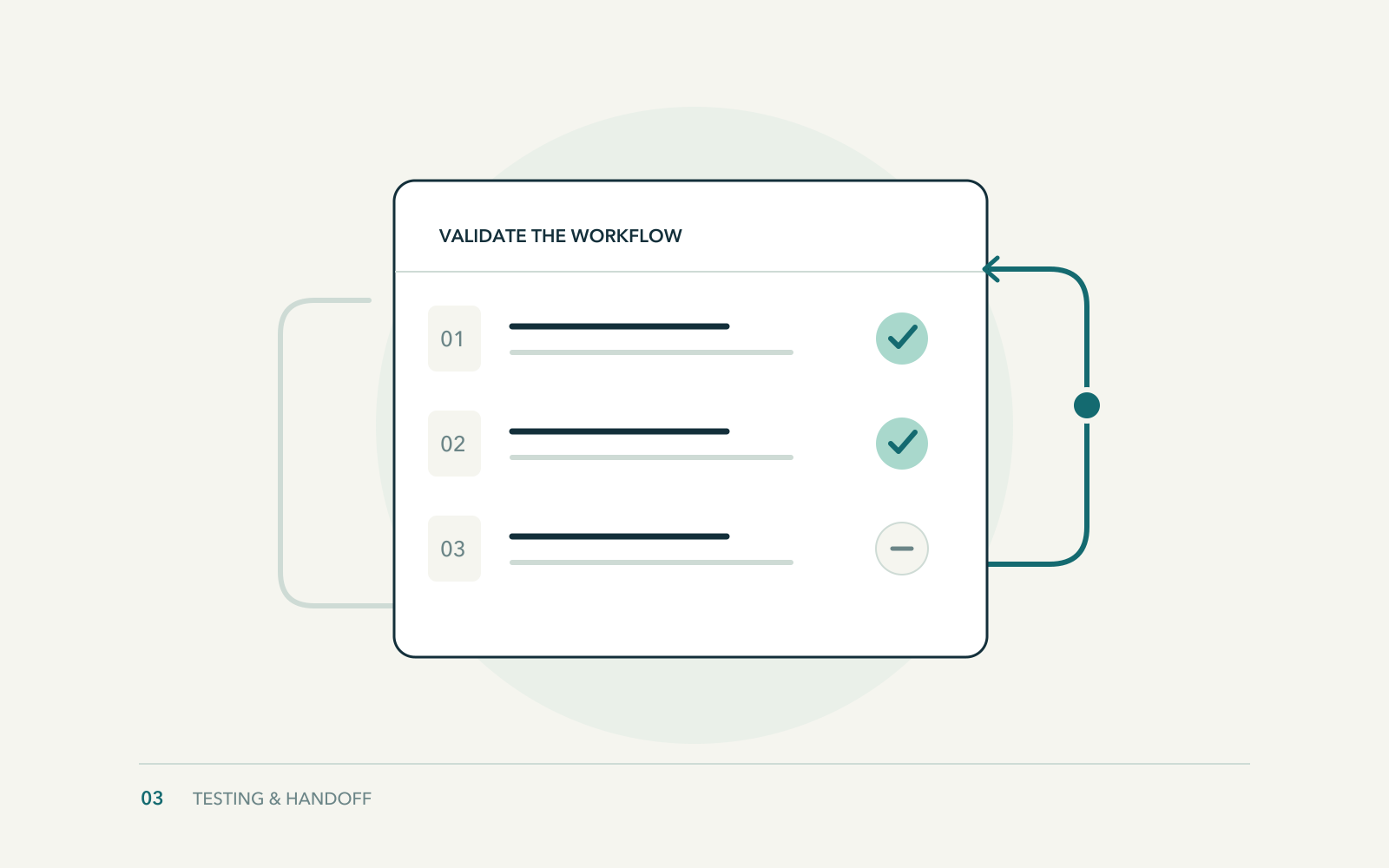
Workflow testing and launch support
Define expected behavior, develop test scenarios, review findings, and troubleshoot with the teams responsible for the application and Epic configuration. Agree on the environment, supported hours, and review process.
Typical deliverables: a test plan, an issue and decision log, configuration findings, and a readiness summary for the responsible customer and vendor teams.
How I work
Establish fit. Discuss the problem, intended outcome, and available time.
Agree the scope. Define deliverables, responsibilities, inputs, timing, and fees.
Work through the implementation. Develop the agreed outputs with the relevant teams.
Make the handoff clear. Record completed work, decisions, remaining dependencies, and next steps.
Each engagement identifies who owns application development, Epic build access, security review, production approval, and ongoing operations. Additional engineering or operational work is scoped with the appropriate owners before delivery begins.
Please share business context only. Leave out patient information, credentials, and confidential customer records.